The Weekend away: Part 2

The Last Day of Our Tripski child

The type 1 diabetic and a vomiting crisis

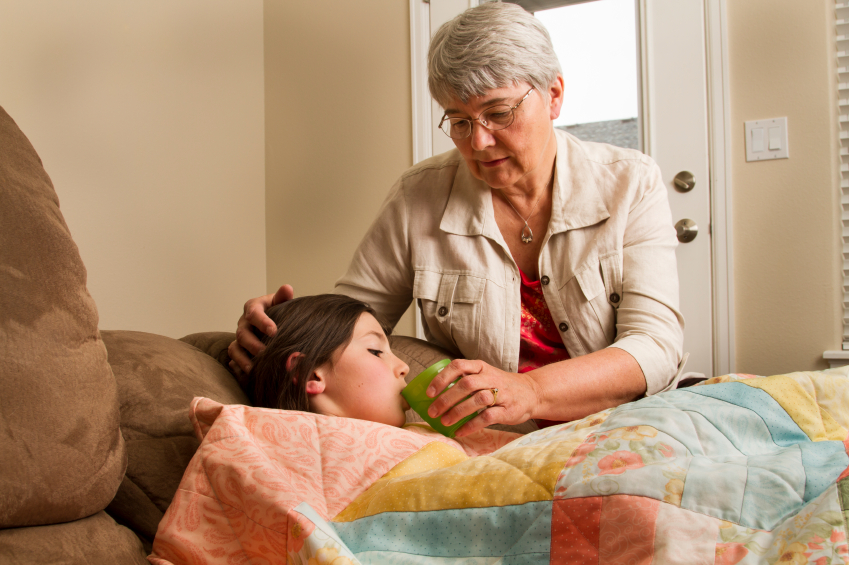
Our fabulous well working vacation with out our children was going so well. The last day of the trip my phone text message said at 8 am, “I vomited 2 times.” That was it. No and my blood sugar is or I have no ketones. And I had yet to have my morning coffee. So I texted my darling 14 year old Diabetic and asked (as casually as I could) so what was your blood sugar and ketones. I waited…NO read receipt, nothing for 10 minutes. Of course the first thing I do is panic. The back ground here is the last time he vomited his sugar was so low he made absolutely no sense at all. that time if his sugar did not get better it was the hospital. This time i had nothing. We had not heard from my Mother In Law. What to do

My darling husband handed me my coffee and said he would call. I truly think it was to save everyone on the other end of the phone from my panic. our son did vomit took a anti-nausea pill and promptly went back to sleep. He did not test his blood sugar or his ketones. (in my mind this just proves I needed to be around all the time!) But it had not been very long form the time he did get sick to the time we talked to him. Sugars were fine and no ketones!!! I had my mother in law look in the book (Type 1 Diabetes and Babysitting: A Parent’s Toolkit) and she followed the sick day management plan. With her following  that plan and my son texting me every two hours with a blood sugar, ketone status, vomiting or not vomiting and how much fluids he was taking in I then determined I could go back on vacation without my kids and without my absolute control of my sons Type 1 diabetes. He did survive and he survived well with people around him that he loved and a fun vacation was had by all!


Toes in the Sand and Pumpers

Its summer time and most of us are heading out for a vacation. Some to big cities, some to forested mountains, some to lakes and camping. And then there are those of us headed to warm sun, sand and ocean! Think of it, seeing to the bottom of the ocean and the fish swimming and surfing, sailing, and sand castles! But wait….

sandcastle

….There is insulin and insulin pumps and strips and all that fun stuff to figure out! Hot weather and taking the pump off to play in the water and then putting it back on every two hours and trying not to get sand in everything!!! Here are some tips to save the sand everywhere (and if you are at a beach, have been at any time in your life then you know sand just sticks to everything!):

1. If your child or self uses an insulin pump. always put the site cap back on. If sand gets into the site then it is site change time.

2. Have a dedicated cooler for only insulin supplies, (insulin, strips, sugar etc )that is large enough sand will have a hard time jumping in!

3. Consider going back to shots for the time you will be at the beach. No pump, only glucometer, and strips to worry about.  If doing this connect with you Diabetic educator and review what basal insulin and an insulinshot schedule.

Our book has all of the equations to determine correction factor and insulin needs for food as an easy resource for your beach travels!

While at the beach have fun and keep you r toes in the sand for those of us by the Rocky Mountains


Stomach Bugs and All the Fun

Sick Days and Type 1 Diabetes

iStock_000020044008Small

Your type 1 kiddo is sick.  Whether it be a stomach bug, head cold, or bacterial infection, the consequences of a sick type 1 kiddo can be serious if not treated right.  Likely you endocrinologist or educator has gone over what you need to do for a sick day.  But a quick review never hurts!

  • Always check blood sugars every 2 hours
  • Check ketones with each urination
  • If unable to correct low blood sugars decrease amount of basal insulin
  • Encourage plenty of fluids especially if ketones are present.
  • If your child is not eating you may need small amounts of fluids with sugars.

If you are following the above very basic guidelines and working with your sick day management plan and you find yourself struggling, call your endocrinologist.  They will give you advice on what to do next and when to call back.  You can never go wrong with this approach. 

What happens if your diabetic child is sick while with a sitter or grandma and grandpa?  First head home!  But if this is not feasible, we keep a basic sick day management plan in our book that anyone can follow. Then you as a parent have peace of mind until you get home!


What is normal?

Type 1 Diabetic and a “Normal” Life

Normal.  What is it?  Such and easy word to say and toss around.  We all have a concept of our “normal.”  But can we really define it?  Websters online dictionary defines normal as: ” usual or ordinary: not strange, mentally and physically healthy.”  Our type 1 children are not the first part.  I would not define my child as unusual or strange, and he is well but not always physically healthy.  Then in daily life how do we as parents achieve normalcy for our children?

iStock_000019995011Small

Finding the Norm

The start of finding our normal is not letting diabetes rule our lives, but be an aspect of our lives.  Easy…right!  Not always.  Sick type 1 diabetics tend to not be normal, eating is not normal, exercise is not normal.  So we need not to let it be a big deal.  Treating diabetes as this is just the way it is and we keep going.  Keeping this attitude helps our diabetic children get the norm down as they enter into adulthood.

Practicing the Norm

Get the practice of the norm down.  Eating at regular intervals, not snacking all day (which is good for everyone!),  having play dates and sleepovers, participating in sports, or anything any other child would do.  Years ago a type 1 diabetic was not allowed to do many of these things.  But with all of the new technology and medications our children are able to live a regular life.  As parents, we need to figure out how to do this and feel safe about it.  One way to do this is have a guide-book that helps you as a parent feel safe about leaving your child places with another educated adult.  Check our book out for guidance and the many websites and forums for other parenting advice. Now go out and find your norm!


What Diabetes Apps Do You Use?

Technology is great! It allows us to keep connected with other people in our lives. For example, It allows my teenager to contact me always. So when he is over at a friends or out with school activities he texts me his blood sugar numbers when they are out of range. So my question is what apps for your smart phones do you use for your type 1 diabetic?

Type 1 Available apps

There are so many apps available for use. Some seem perfect for a type 2 diabetic because  they help with meals and weight loss. The few type 1 diabetic apps I have reviewed and looked at are ManageBGL, My care Connect, and Go Meals or Calorie King. ManageBGL website talks about real-time Blood sugars (a sitter/child enters it and it gets to the parents), predictive lows or highs, ans so much more. What a wonderful way for parents to help easy an overnight with others. Then there is My care Connect. This one allows information from school, child, parent to communicate back and for as well as with the endocrinologist. I have not had the chance to use either one but have look at both closely.


Then there is the applications that help you carb count:Calorie King, GO meals. We utilize apps and books. Usually just what we can get our hands on fastest. They have allowed my teenager to feel more comfortable counting carbs.

Pros and Cons

Apps help so much and in so many ways depending on which app you decide to use. Apps need good cell service or wi-fi to get the information live. Don’t get me wrong I utilize every thing I possibly can to help me with my sons diabetes management, but there are times a book or a phone call is easier or more reliable. So a mix of technology and old school paper is good.

Knowing when to tell your child or other adult if the app, phone call or consulting a book, like ours “type 1 Diabetes and Babysitting”, will be the fastest or safest method. We can rely on technology until it does not work then we need to rely on paper. Plus there are things that are tangible like having a flow chart right infornt of you to know management. Let me know which do you prefer: paper or a screen?

Type 1 Diabetic Apps


Ketones: What are they?

If you are familiar with Type 1 diabetes then you are familiar with ketones. If at least for the only reason that periodically you have needed to pee on a stick to see if you have them. But what are they really.

Ketones are the by-product of using protein as a main source of fuel for your body. Glucose is the main source of fuel for your body, it comes from foods such as sugar, carbohydrates, or fructose. In uncontrolled diabetes insulin cannot get glucose into your cells for fuel. This is from a lack of insulin or resistance toward insulin at the cellular level. When this happens your body starts to break down protein to use for fuel. During this process the body then creates an acid as a byproduct of breaking down protein. In small amounts occasionally you may not notice this. When uncontrolled diabetes and blood sugars are running high for long periods of time then the acid starts to build up in the blood causing ketones in your urine. This can eventually lead to coma and death without treatment and a myriad of other symptoms.


If you have ever had high ketones you know how awful you can feel. You get a headache, nausea, vomiting, and not really with it mentally. Treatment for ketones is insulin and fluids. Insulin controls blood sugars and the fluids to flush the ketones from your body If you have a hard time  keeping fluids down because of vomiting then you should see medical treatment. The act of vomiting alone can create more ketones as well as exercise. Treating ketones at home for a diabetic is difficult. Type 1 diabetes requires vigilance and drink plenty of fluids. and check you blood sugar and ketones at least every two hours. Until blood sugars and ketones are back to normal.  If you have not received a guide from your endocrinologist about a sick day guide then you should get one. It will spell out exactly how to treat your blood sugars and ketones when you are ill or your sugars are running to high. Type 1 diabetes can cause many issues and understanding what the underlying cause is to problems with diabetes, like ketones, will help you treat it better at home.


Symptoms of Type 1 Diabetes

I often had the question: How did you know your son had diabetes? I didn’t. Even as a healthcare provider Type 1 diabetes was not the first thing in my mind. Mostly because I am a mom before I am a nurse practitioner. Quincy did have most of the symptoms when I look back right before diagnosis. And because I am a practitioner I knew something was wrong and I had him into the clinic quickly. He was never in diabetic ketoacidosis upon diagnosis. So As a parent how do you know.

First If you think something is wrong with your child, take your child into your doctor. Nothing you can read here or anywhere else will substitute what a good provider can do when seeing your child and running some lab work.

Secondly the main symptoms of type 1 diabetes (or diabetes in general) is extreme thirst, extreme fatigue (more than you would see with a  growth spurt), extreme hunger but also weight loss, a fruity breath smell or loss of consciousness. The later are later symptoms and are indicative of diabetic ketoacidosis (DKA). DKA is when the body is breaking down large amounts of protein to make fuel and in turn makes the blood more acidic. This can render a person unconscious and without health care death.

If your child has any of the milder symptoms thirst or hunger that cannot be satisfied, fatigue or weight loss then take your child to the doctor. the symptoms could be diabetes or a number of other diagnoses.


Hyperglycemia and type 1 diabetes

Type 1 diabetes comes with many ups and downs. One such is hyperglycemia. Hyperglycemia or high blood sugars. High blood sugars are blood sugars above the range given for a particular child. A high blood sugar usually is defined as 150 mg/dl. If your child is on an insulin pump that number is above 250 mg/dl. Hyperglycemia is an issue when blood sugars run high for a long period of time, typically months. A periodic or a few days of a higher blood sugar is not a sever issue as long as the blood sugar becomes under control.

The symptoms of hyperglycemia are very thirsty, frequent urination, increase in hunger, ketones in urine tested by a ketone strip,and fatigue. Extremely high blood sugars are demonstrated as vomiting, unconscious, fruity smell of the breath, and loss of appetite. Ketones in the urine are made when a person has high blood sugars. Correcting blood sugars with insulin and drinking plenty of fluids will correct ketones and high blood sugars.

Causes for hyperglycemia in children is from a mismatch of insulin and carbohydrates counts. But other reasons are attributed to high blood sugars often due to child’s need for more basal insulin and or the child is growing.

To determine why a child has higher blood sugar it takes persistence to correct and know blood sugars are correctablef.


Type 1 Diabetes and Friends

Friends can be a tricky thing with your type 1 child. Children want so badly to fit in with others, to have a group of people who accept them unconditionally. Type 1 diabetes can make your child have the impression of being unaccepted. Now not all children feel this way. Many children have a self-confidence that is made of iron and other children determine their confidence based on others. And let’s face it: other kids can be mean and use diabetes as a way to pick on and bully your type 1 child.  As parents we want to embrace our children, keep them safe, and have them feel confident no matter what and make all of their ills disappear. If we, as parents, could do that we would wipe out diabetes all together with our wants and desires.

Since we cannot wipe out diabetes, how do we help our children to be comfortable with this lifelong disease?  I believe it depends of your child’s age. With a middle, elementary school and younger child, parents need to enter the classroom each year and talk to the class about type 1 diabetes. Joslin has a great handout to guide you as a parent through this at http://www.joslin.org/info/classroom_presentation_on_diabetes_for_elementary_school_age_children.html   Beyond talking to the class, you can also enlist the help of the friend’s parents. They will need to know about your child anyways so why not have them help talk to their child about childhood diabetes? The friend’s parent may know how to talk to their child about specific for their child.

Then with an older child,  he should start to learn to talk to their friends about Type 1 Diabetes. This will help two-fold. First, it helps your type 1 child learn about their disease a bit more because he or she needs to talk about Type 1. Secondly, I strongly believe that encouraging your child to discuss this makes them more confident about themselves. When a child becomes more confident they are more likely to advocate for themselves. With advocation less childhood bullying could occur. Kids don’t tend to pick on kids that are confident in themselves. Self-advocation is a lifelong habit.

All T1D kids need to eventually be able to discuss how their body works, why they need insulin, to carry sugar, eat often, and sometimes feel cruddy because of their sugars. Teaching your child while they are with you by talking to the classroom and their friend’s parents about type 1 diabetes will enhance your child’s ability to make lifelong habits to talk and discuss about their diabetes.


Brand New Type 1 Diabetic Parent

I first want to tell you to BREATHE!

Okay now we can talk. There is so much information that is getting told to you and you feel like you are drowning. Breathe again! You will become the next expert on your child and type 1 diabetes. But how do you get there and when will that happen?  Take small steps to get there. You will learn all of the information and will be that expert. Parents I have talked too say they really felt very comfortable around a year. Not that you won’t understand what to do until then; however, type 1 diabetes becomes second nature around then.

Not everyone is the same. Some parents are type A organized and have every paper ever given to us by the doctor to reference back too. And some of the parents have what is exactly needed and nothing more. Each has it merits. But what we do have in common is we keep all this stuff in one spot to find and reference. Usually all of the information is from a diabetic educator. Diabetic education is wonderful. They take you step by step through all things diabetes. So how could you break that up a little bit more for a not so structured person. Start with a list of how to focus on aspects of diabetic care. (And yes I am the type A personality, so planning is how I function. I recognize that planning is not everyone’s strength. And it is not a downfall). Start with a few weeks as a new diabetic parent and just get to know your child’s type 1 diabetes. As a parent of a newly diagnosed diabetic I learned my child; for example I learned that his legs were hungry when he was low. While you learn your child also spend time with a basic diabetic book to understand high blood sugars, low blood sugars. insulin, and carbohydrate counting. Then I would start to dive into each topic more in-depth.

A good example would be carbohydrate counting. To do this start to learn more about how to measure and weigh carbohydrates. The package carbohydrate counting is sometimes correct and sometimes way off. So measure with a good old-fashioned scale and use that carbohydrate counting book at diagnoses. If you have that book mark the pages you use most.If you don’t go buy one. If your preschooler will only eat macaroni and cheese then mark all of the pages. (We keep one of these books in a carry bag, in a kitchen draw, at grandmas house, in all the cars. One year we found older versions at the bookstore for a dollar a piece. You guessed it we bought every single one of them). Now that the pages are marked you will find it easier to start counting carbohydrates. Live with the carbohydrate counting and then move on to the next topic of your choice.

Over the next few weeks learn in-depth a certain aspect of the new diagnosis. With breaking it down into smaller steps it becomes easier.taking it step by step allows you to master your understanding of your child’s diabetes. Also remember you are still caring daily for your diabetic child.  The first year is the hardest because type 1 diabetes is not second nature. It will come it just takes time. But the thing that is most important to emphasize is a parent can become caught up in trying to do all of the diabetic stuff and burn out easily. So BREATHE often and frequently!

It is important to stay on top of it but you as a parent needs to know when you need a break even for a few hours. You can better help you child with their diabetes if you are not burnt out from care giving. to do this use all the resources you can, books, family, spouse, to make learning and caring easier for you and your family. Diabetes did not just

life-with-diabetes

impact your child, it has changed the whole family unit.

One place to start with a new diagnosis is with our book. It is for babysitters, but as authors we broke the book down in very basic topics to help people learn. The intended people are the sitters, but with a new diagnosed child the parent can also be that person to learn. And the plus side is that you will have all your kiddos information in one area. Diabetes is hard on the whole family and the primary parent tends to be the caregiver. You as a parent will learn it all and hopefully do so with as little stress as possible.